

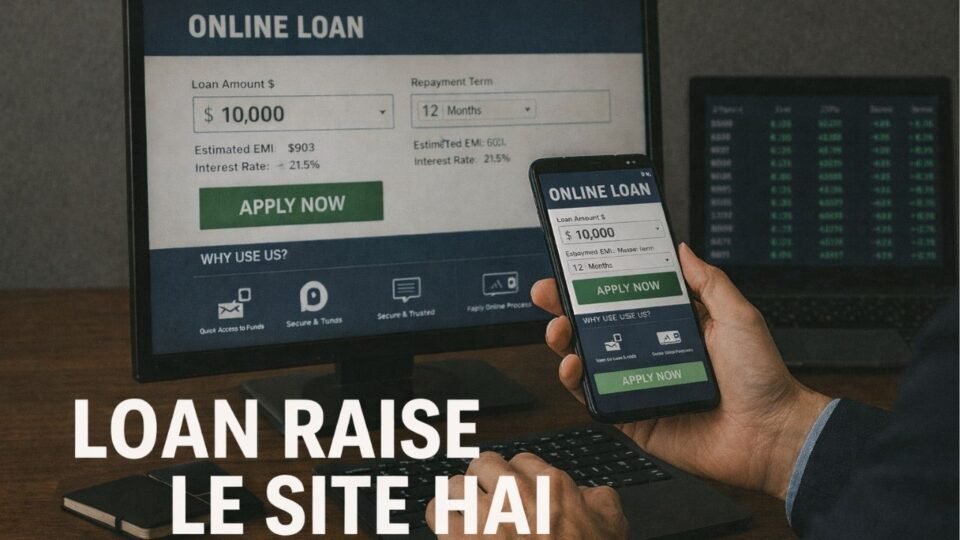
In today’s digital world, financial services have become faster, easier, and more accessible than ever before. One of the biggest transformations in the financial industry is the rise of online loan websites. These platforms allow people to apply for loans directly through the internet without visiting a bank or financial institution.
Many people search online using phrases like “loan raise le site hai” when they want to find reliable websites where they can borrow money quickly. These loan websites provide instant financial assistance for various purposes such as personal expenses, medical emergencies, business investments, education fees, or home renovation.
Online lending platforms have simplified the borrowing process. Instead of waiting for days or weeks for loan approval from traditional banks, borrowers can now receive loan approvals within minutes and funds within hours. This convenience has made digital lending extremely popular across the world.
However, while online loan platforms offer many benefits, borrowers must also be aware of potential risks. Not all loan websites are trustworthy, and some may charge extremely high interest rates or hidden fees. Therefore, understanding how online loan platforms work is very important before applying.
This comprehensive guide will explain everything you need to know about loan websites, including how they work, the types of loans available, eligibility requirements, interest rates, safety tips, and the future of digital lending.
Chapter 1: What Are Online Loan Websites?
Online loan websites are digital platforms that connect borrowers with lenders through the internet. These platforms allow individuals or businesses to apply for loans online without visiting a bank branch.
The main purpose of these platforms is to make borrowing faster and more convenient. Borrowers simply fill out an online application form, upload required documents, and receive approval within a short period.
There are three main types of online loan platforms.
1. Direct Lending Websites
Direct lending platforms provide loans using their own funds. These websites operate similarly to traditional banks but entirely online.
Examples include digital lending companies that specialize in personal loans, payday loans, or small business loans.
2. Loan Aggregator Platforms
Loan aggregator websites do not lend money themselves. Instead, they connect borrowers with multiple banks and financial institutions.
These platforms allow users to compare loan offers from different lenders and choose the best option.
3. Peer-to-Peer Lending Platforms
Peer-to-peer (P2P) lending platforms allow individuals to lend money to other individuals through an online marketplace.
Instead of borrowing from a bank, borrowers receive funds from investors who are looking to earn interest.
These platforms are becoming increasingly popular because they provide alternative financing options for people who may not qualify for traditional bank loans.
Chapter 2: Why Online Loan Platforms Are Growing Rapidly
Online lending has grown significantly in the past decade due to technological advancements and changing consumer behavior.
There are several reasons why more people are using online loan websites.
Convenience
One of the biggest advantages of online loans is convenience. Borrowers can apply for loans anytime and from anywhere using their smartphone or computer.
There is no need to visit a bank branch or wait in long queues.
Faster Approval
Traditional banks may take several days or even weeks to process loan applications.
Online platforms use automated systems and algorithms to evaluate loan applications quickly, often providing approval within minutes.
Minimal Documentation
Many online loan websites use digital verification methods that reduce the need for physical paperwork.
Borrowers can upload scanned documents or photos of their identification and income proof.
Accessibility
Online loan platforms provide access to credit for people who may not qualify for traditional bank loans.
This includes freelancers, small business owners, and individuals with limited credit history.
Transparent Information
Most loan websites provide clear details about interest rates, repayment schedules, and fees before the borrower accepts the loan.
This transparency helps borrowers make informed financial decisions.
Chapter 3: Types of Loans Available on Loan Websites
Online loan platforms offer a wide range of loan products to meet different financial needs.
Personal Loans
Personal loans are the most common type of loan available online.
These loans can be used for various purposes, including:
- Medical emergencies
- Wedding expenses
- Travel costs
- Home renovation
- Debt consolidation
Personal loans are usually unsecured, meaning they do not require collateral.
Business Loans
Small businesses and startups often need financial support to expand their operations.
Online business loan platforms provide funding for:
- Business expansion
- Equipment purchase
- Inventory management
- Working capital
These loans can help entrepreneurs grow their businesses without complicated banking procedures.
Education Loans
Education loans help students pay for tuition fees, books, accommodation, and other academic expenses.
Many digital lenders now offer student loans with flexible repayment options.
Instant Cash Loans
Instant cash loans are short-term loans designed to cover urgent financial needs.
These loans are usually small amounts and must be repaid within a short period.
Home Loans
Some loan comparison websites help borrowers find the best home loan offers from multiple banks.
These platforms allow users to compare interest rates, loan terms, and eligibility requirements.
Chapter 4: How Online Loan Applications Work
Applying for a loan through a website or mobile app is usually simple and straightforward.
The typical process includes the following steps.
Step 1: Choose a Loan Website
The borrower first selects a trusted loan platform.
Researching reviews and verifying the platform’s credibility is important.
Step 2: Create an Account
Most platforms require users to create an account using their email address or mobile number.
Step 3: Fill Out the Application
Applicants must provide basic personal information, including:
- Name
- Age
- Employment status
- Monthly income
- Address
Step 4: Upload Documents
Borrowers upload required documents such as identity proof, bank statements, and income verification.
Step 5: Credit Evaluation
The platform analyzes the borrower’s credit score and financial history.
This process may involve automated algorithms that assess risk.
Step 6: Loan Approval
If the borrower meets the eligibility requirements, the loan is approved.
Step 7: Fund Disbursement
The approved loan amount is transferred directly to the borrower’s bank account.
Some platforms complete this process within a few hours.
Chapter 5: Eligibility Criteria for Online Loans
Although eligibility requirements vary between lenders, most platforms require borrowers to meet basic criteria.
Common eligibility requirements include:
- Minimum age (usually 18–21 years)
- Valid government identification
- Active bank account
- Stable source of income
- Acceptable credit score
Some platforms also offer loans to individuals with lower credit scores, but these loans may have higher interest rates.
Chapter 6: Documents Required for Online Loans
Borrowers usually need to submit certain documents during the application process.
Common documents include:
- Identity proof (passport, driver’s license, or national ID)
- Address proof
- Tax identification number
- Bank statements
- Salary slips or income proof
Digital verification technologies have made document submission faster and easier.
Chapter 7: Interest Rates and Loan Charges
Interest rates vary depending on the lender, loan amount, and borrower’s credit profile.
Borrowers should carefully review all charges before accepting a loan.
Common loan charges include:
- Interest rate
- Processing fee
- Late payment penalties
- Prepayment charges
- Documentation fees
Understanding the total cost of borrowing is essential to avoid financial problems later.
Chapter 8: Advantages of Online Loan Platforms
Online lending platforms offer many advantages compared to traditional banking.
Fast Approval
Loan approvals can happen within minutes.
Easy Application
The entire process is completed online.
Minimal Paperwork
Digital documentation reduces the need for physical paperwork.
Multiple Options
Borrowers can compare different lenders easily.
Accessibility
Even individuals with limited credit history can apply for loans.
Chapter 9: Risks of Online Loans
Despite the benefits, online loans also come with potential risks.
Some lenders charge extremely high interest rates.
Other risks include:
- Hidden fees
- Aggressive debt collection practices
- Data privacy concerns
- Fraudulent loan apps
Borrowers should always verify the credibility of the platform before sharing personal information.
Chapter 10: How to Identify Safe Loan Websites
To avoid scams, borrowers should follow these safety tips.
Check Regulatory Approval
Ensure the platform is registered with financial authorities.
Read Reviews
Customer reviews can reveal important information about a lender’s reputation.
Verify Website Security
Secure websites use HTTPS encryption.
Avoid Suspicious Apps
Be cautious of apps requesting unnecessary permissions.
Compare Multiple Platforms
Comparing lenders helps borrowers find the best interest rates and terms.
Online loan websites have revolutionized the financial industry by providing quick and convenient access to credit. These platforms allow borrowers to apply for loans from anywhere and receive funds within a short period.
However, responsible borrowing is essential. Borrowers should carefully review loan terms, compare lenders, and ensure the platform is trustworthy before applying.
With proper knowledge and financial discipline, online loan platforms can be a powerful tool for managing personal finances, funding business growth, and handling unexpected expenses.
